What If Your Boss Told You to Take a Nap?
It sounds like a dream — literally. But scientists are now saying that a short afternoon snooze isn’t laziness. It might actually be one of the smartest things you can do all day. Neuroscientist Joseph Jebelli, author of The Brain at Rest, argues that a 30-minute nap could boost your creativity and help prevent the kind of mental exhaustion that grinds people into the ground.
So why aren’t we all napping at work already?
Your Brain Doesn’t Actually Stop When You Close Your Eyes
First, let’s clear something up. Sleep — even a short nap — is not your brain going offline. It’s more like your brain switching into a different, equally busy mode.
Think of it like a busy restaurant kitchen. During the day, chefs are cooking at full speed, firing off dishes left and right. But during a nap, the kitchen doesn’t shut down. Instead, the staff starts reorganizing the pantry, cleaning the counters, and prepping ingredients for the next rush. The work looks different, but it’s just as important.
This “behind the scenes” mode is what neuroscientists — scientists who study the brain — call the default mode network. In other words, it’s a set of brain regions that spring to life when you’re not focused on a specific task. And it turns out, this network is deeply connected to creativity, problem-solving, and emotional processing.
Basically, when you’re staring at the ceiling doing “nothing,” your brain is actually doing a lot.
The Science of the Power Nap
Here’s where it gets really interesting. Jebelli’s work draws on a growing body of research showing that a nap of around 30 minutes hits a kind of sweet spot for your brain.
During that window, your brain moves through the early stages of sleep. You don’t go deep enough to feel groggy when you wake up — that horrible “where am I and what year is it?” feeling that comes from sleeping too long. But you go deep enough for something genuinely useful to happen.
Think of your brain like a cluttered desk. Throughout the day, you pile things on top of each other — tasks, emotions, half-finished thoughts, stress. A short nap is like someone quickly organizing that desk while you step out for coffee. When you come back, everything is easier to find. You’re not starting from scratch, but you can actually see what you’re working with.
One of the big benefits is what researchers call memory consolidation. That’s just a fancy way of saying your brain takes things you’ve recently learned or experienced and moves them from short-term storage into longer-term storage. Imagine RAM versus a hard drive, if you’re familiar with computers. Short-term memory is RAM — fast but limited. Sleep helps transfer things onto the hard drive, where they actually stick.
But the creativity angle is arguably the most exciting part.
Naps and the “Aha!” Moment
You know that feeling when you’ve been wrestling with a problem for hours, you step away, and the answer suddenly just… appears? Science has a pretty good explanation for that.
When you’re intensely focused, your brain is essentially wearing blinders. It’s efficient, but it’s also narrow. It follows well-worn paths. During rest — especially during the lighter stages of sleep — those blinders come off. The brain starts making unusual, unexpected connections between ideas.
In other words, naps let your brain be weird in the best possible way.
Researchers have found that people who nap before tackling creative tasks perform noticeably better than those who push straight through. One famous example: legendary inventor Thomas Edison apparently used to nap in a chair holding metal balls in his hands. The moment he fell into deeper sleep, his muscles would relax, the balls would drop, and the noise would wake him — right at that creative, in-between state his brain loved.
Was he onto something? Modern neuroscience says: yes, actually.
The Burnout Connection
Now let’s talk about something a lot of people know all too well: burnout.
Burnout isn’t just feeling tired. It’s a state where mental exhaustion becomes so severe that it starts affecting your memory, your mood, your motivation — basically everything. It’s like running your phone at 100% brightness with every app open until the battery dies. And then the battery starts getting permanently damaged.
Jebelli argues that chronic sleep deprivation — consistently not getting enough sleep — is one of the most underrated contributors to burnout. And it’s not just about nighttime sleep. The afternoon slump that most people experience around 1–3 PM? That’s not just a food coma. It appears to be a genuine biological dip in alertness that’s wired into human physiology. Many cultures around the world figured this out centuries ago — the Mediterranean siesta tradition isn’t just about the heat.
A short nap during this natural dip, Jebelli suggests, could act like a pressure valve — releasing built-up mental tension before it reaches a breaking point.
So Why Aren’t We Doing This?
The honest answer? Culture.
In many workplaces — especially in Western countries — being seen resting during work hours carries a stigma. Rest looks like weakness. Busyness looks like virtue. We glorify the person who skips lunch and answers emails at midnight, even as science keeps piling up evidence that this approach is genuinely counterproductive.
Some companies are starting to push back against this. Nap pods have appeared in offices at places like Google and Nike. Japan has a concept called inemuri — the socially accepted practice of napping in public, even at work — that has existed for centuries. The idea is that if you’re tired enough to nap, it’s because you’ve been working hard.
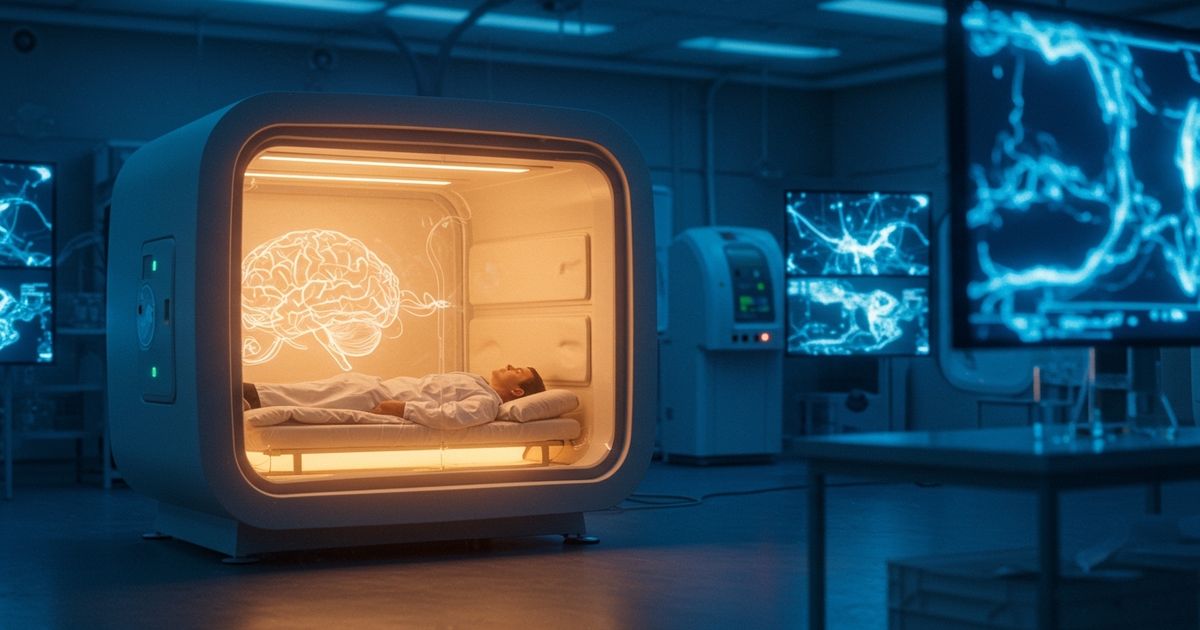
Jebelli is calling for a more formal rethink — suggesting that research institutions and labs, in particular, should consider making nap rooms a standard part of the workplace, the same way gyms and meditation spaces have slowly become normal.
What This Means for You (Yes, You)
You probably can’t demand a nap room at your office tomorrow. But here are a few things worth knowing.
A 20–30 minute nap is the sweet spot. Much longer and you risk waking up in deep sleep, which leads to that groggy, disoriented feeling called sleep inertia — basically your brain wondering why it got yanked back before it was ready.
Timing matters too. Early afternoon is ideal. Napping too late in the day can interfere with your nighttime sleep.
And if you feel guilty about it? Don’t. You’re not being lazy. You’re essentially doing maintenance on the most complex object in the known universe — your brain.
The Bigger Picture
What’s really exciting here isn’t just the nap itself. It’s what this research is nudging us to reconsider: the idea that productivity and rest are opposites.
They’re not. Rest is part of the process. Creativity doesn’t just happen when you’re grinding — sometimes it needs silence to surface.
Future research will likely dig even deeper into exactly what happens in the brain during those twilight moments between wakefulness and sleep. Scientists are already exploring whether specific stages of sleep are more useful for certain kinds of problems — whether, say, a musician benefits differently from a nap than a mathematician.
For now, though, the message is clear. Your brain needs downtime. And if you give it that time — even just half an hour — it might just hand you your next great idea in return.
Not a bad trade.