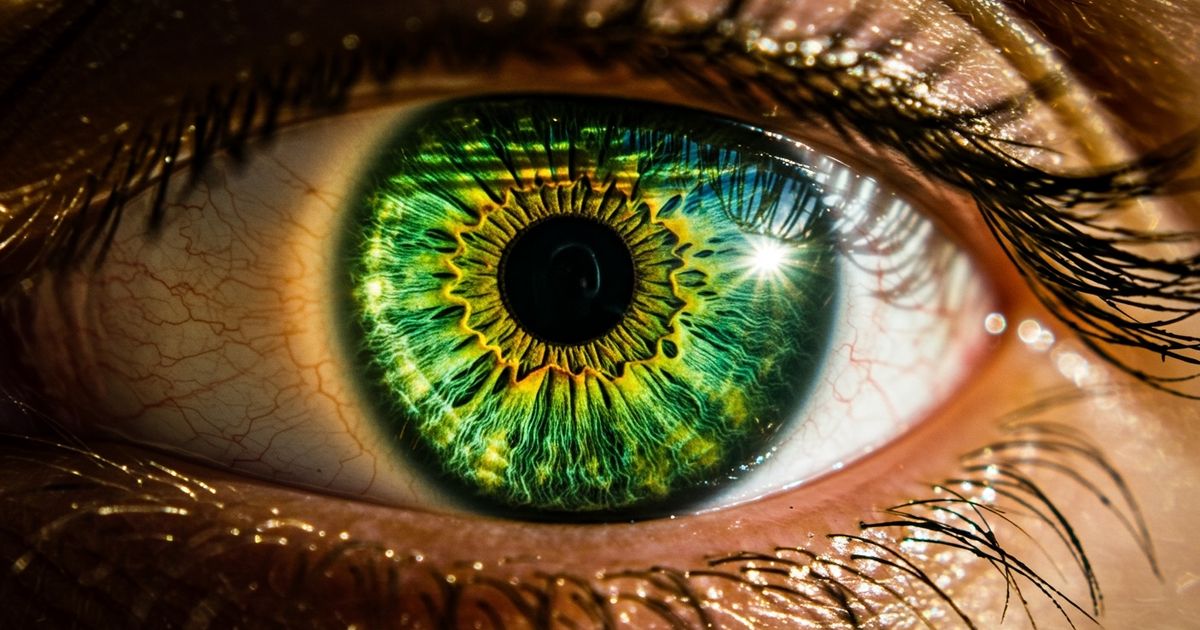
What if your eyes could see like a plant?
Imagine a world where eyesight isn’t just about the specialized light-catching cells we’re born with. What if we could teach other cells in your eye to “see” light, much like a plant harnesses sunshine? It sounds like science fiction, but a groundbreaking new study published in Science suggests we might be closer than you think to giving eyes a completely new way to detect the world around them.
The Tricky Business of Seeing
Normally, our eyes are incredible biological cameras. Light enters through the pupil and hits a special layer at the back of your eye called the retina. The retina is packed with millions of tiny cells called photoreceptors – rods for dim light and cones for bright light and color. These photoreceptors are like miniature solar panels; when light hits them, they convert that light energy into electrical signals. These signals then travel through a complex network of nerve cells, eventually reaching your brain, which interprets them as the images you see.
But what happens when these crucial photoreceptor cells start to die off? That’s the devastating reality for millions worldwide suffering from conditions like macular degeneration or retinitis pigmentosa. These diseases gradually steal eyesight, leading to severe vision loss or even complete blindness. Current treatments are often limited, expensive, and don’t always fully restore sight. Scientists have been tirelessly searching for new ways to help, from complex electronic implants that act like artificial retinas to therapies that try to replace lost cells. But what if there was another, more fundamental way to tackle the problem?
Making Eyes “Photosynthetic”
This new research takes a radically different approach. Instead of trying to fix or replace the damaged photoreceptors, the scientists explored the idea of giving other cells in the eye the ability to detect light. Think of it like this: if the light bulbs in your house stop working, instead of installing new ones, what if you could make your walls themselves glow faintly when light hit them, just enough for you to navigate?
The researchers managed to do something similar by making remaining eye cells “photosynthetic.” Now, don’t imagine tiny leaves sprouting in your eyes! This isn’t about growing plant parts. Instead, it’s about borrowing a trick from the natural world to convert light into a useful signal. Plants use chlorophyll to turn sunlight into chemical energy. This research uses a different kind of “light-catching molecule” to turn light into electrical energy that the brain can understand as vision.
Here’s how they did it: The team engineered a special light-sensitive protein. Think of this protein as a tiny, solar-powered switch. When light hits this switch, it flips, creating a small electrical current. In other words, it directly generates an electrical signal in response to light, much like a working photoreceptor would.
The clever part is where they put this switch. They introduced the genetic instructions for making this “light-switch protein” into cells of the retina that are not normally light-sensitive. These are the cells that survive even when the main photoreceptors die in retinal degeneration. Using gene therapy techniques – basically, delivering new genetic instructions to cells – they transformed these ordinary retinal cells into new, makeshift light sensors.
To test their innovative idea, the scientists worked with mice that had a genetic condition mimicking human retinal degeneration, meaning their natural photoreceptors had withered away, leaving them effectively blind. After introducing their “light-switch protein” into the remaining retinal cells of these mice, something remarkable happened: the animals started to regain some vision. They could detect light, respond to flashes, and even distinguish between basic patterns. For instance, mice that previously couldn’t tell the difference between a dark area and a bright area could now navigate away from bright light, indicating their eyes were once again processing visual information.
A New Window on Sight
This discovery is a monumental step forward because it offers a completely new avenue for treating blindness. Current approaches often involve complex surgeries to implant electronic devices or delicate cell transplants. This “photosynthetic eye” strategy, however, is about repurposing the eye’s own existing cells, giving them a new job description.
Think of it: instead of a bulky prosthetic or requiring perfectly grown new cells, this method uses a biological fix from within. It could potentially restore not perfect, high-definition vision, but enough functional sight – like distinguishing light from dark, perceiving motion, and recognizing large shapes – to dramatically improve the quality of life for those living with severe vision impairment. It bypasses the need for the original, delicate photoreceptors entirely, offering hope for conditions where those cells are irrevocably lost.
Glimpses of the Future
Of course, this research is still in its early stages. The vision restored in the mice wasn’t akin to a perfectly working human eye, and there’s a long road ahead before this could become a treatment for people. Researchers will need to determine if this “light-switch protein” is safe and effective in larger animals and, eventually, in human clinical trials. They’ll also be working to improve the sensitivity and resolution of this new kind of vision. Can we make the “solar-powered switches” even better? Can they detect color, or sharper details?
But the implications extend far beyond just vision. This research highlights the incredible potential of gene therapy to repurpose cells and biological machinery in ways we never thought possible. Imagine applying similar principles to other parts of the body – perhaps teaching nerve cells in other areas to respond to new stimuli, opening doors for therapies in conditions like paralysis or hearing loss.
For now, this “photosynthetic eye” offers a thrilling glimpse into a future where the human body’s own cells can be reprogrammed to overcome devastating diseases. It reminds us that sometimes, the most innovative solutions come from looking at old problems through a completely new lens – or in this case, by giving our eyes a brand new one.